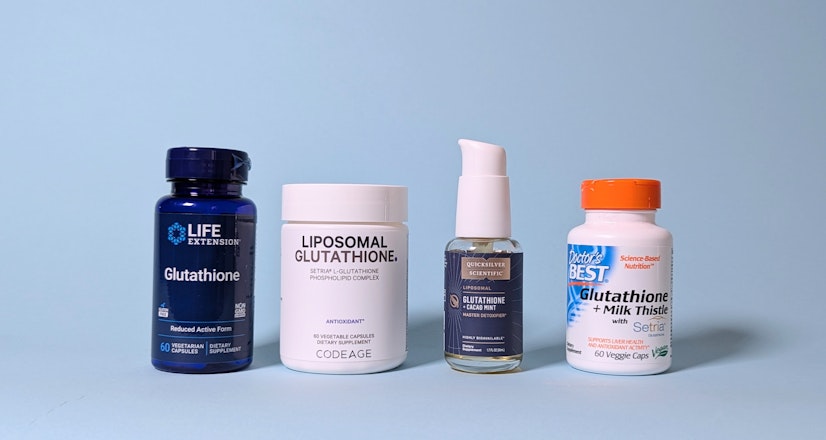
The key difference is in the specific formulations and their stability profiles, which vary by manufacturer and preparation method
In controlled human trials, doses between 6mg and 12mg per day have reduced markers of oxidative stress, such as malondialdehyde (MDA), and increased antioxidant enzyme activity, including superoxide dismutase (SOD) and glutathione peroxidase (GPx).22 A 2022 meta-analysis combining results from 12 clinical studies also found small but significant reductions in C-reactive protein and interleukin-6 both indicators of systemic inflammation.23 Researchers think this might be due to astaxanthins ability to interact with key inflammatory signaling pathways like NF-B and Nrf2, which help regulate the bodys balance between inflammation and antioxidant defenses.24 25 These effects appear modest but consistent across studies, though its not yet clear how much they translate into real-world health outcomes
For the BPC-157 vs TB-500 comparison, see BPC-157 vs TB-500
QuahYLeeSLeeEBirhanuBAliMAbbasMet alCornus officinalis ethanolic extract with potential anti-allergic, anti-inflammatory, and antioxidant activities
Research focuses on telomerase pathways, particularly the peptides role in maintaining telomere length and chromosomal stability during cell division
The shorter sequence provides less structural stability, making refrigeration particularly important